

Youth Ministry
We want all youth to thrive
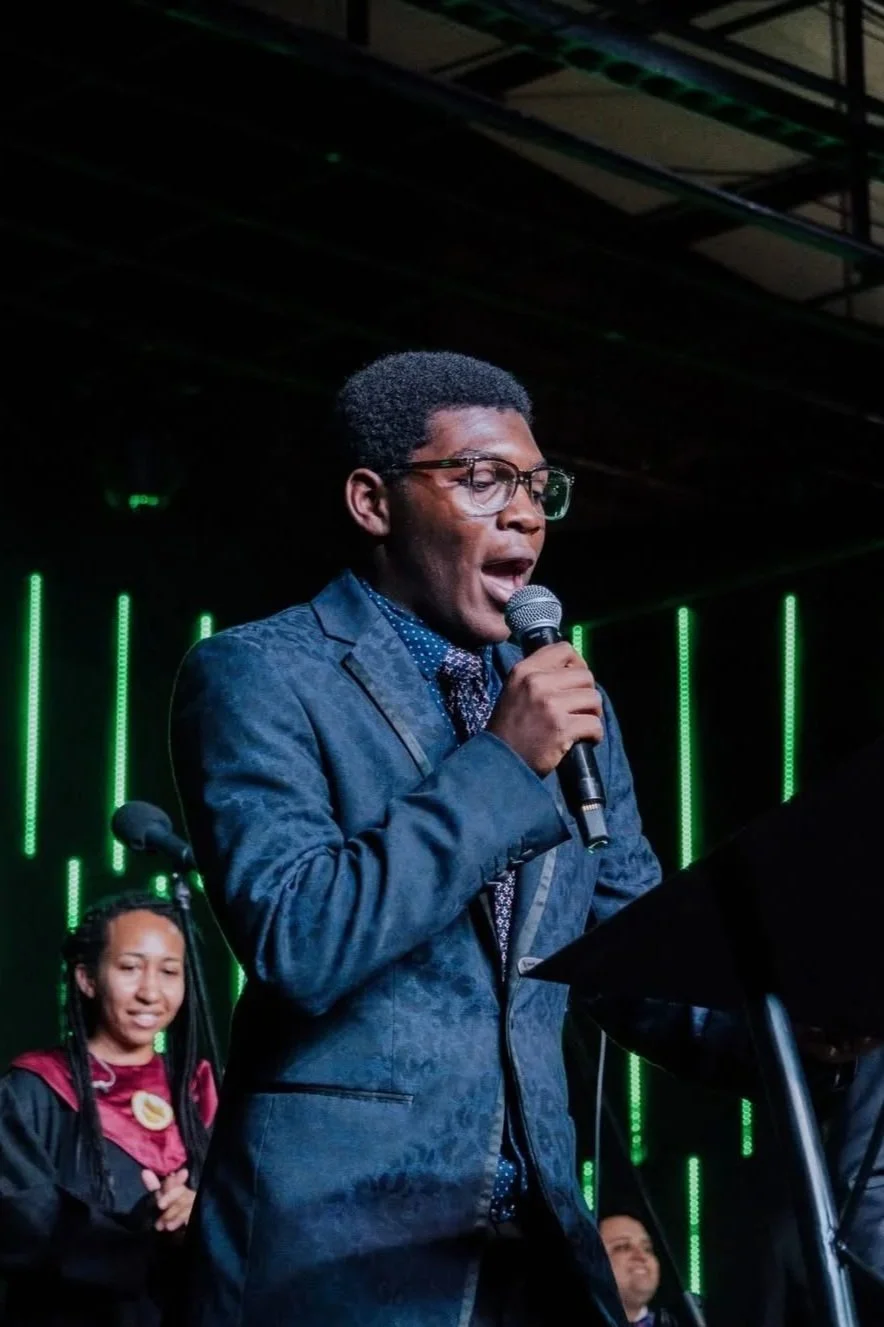
ABLE Ministry believes every young person should have the opportunity to worship, build friendships, have a relationship with Jesus, grow spiritually, and serve alongside others.
There is a difference between being in the room and being included. For example, a youth may participate in youth services and never be teased, but also never be spoken to by a peer. As simple as it sounds, we should purposely teach and encourage youth peers to be kind and to love people who look and act differently from them.
Resources
Spiritual IEP for Youth Ministries
This 15-question form will help you determine what accommodations and supports are needed for everyone in your group.
Curriculum Accommodations
The God’s Word for Life - Youth level curriculum has a downloadable resource that provides suggested accommodations for each lesson.
Strategies for District or National Events
Getting ready to take your youth group to NAYC or a neighboring church? Learn strategies to make it go better and what to do when things get difficult
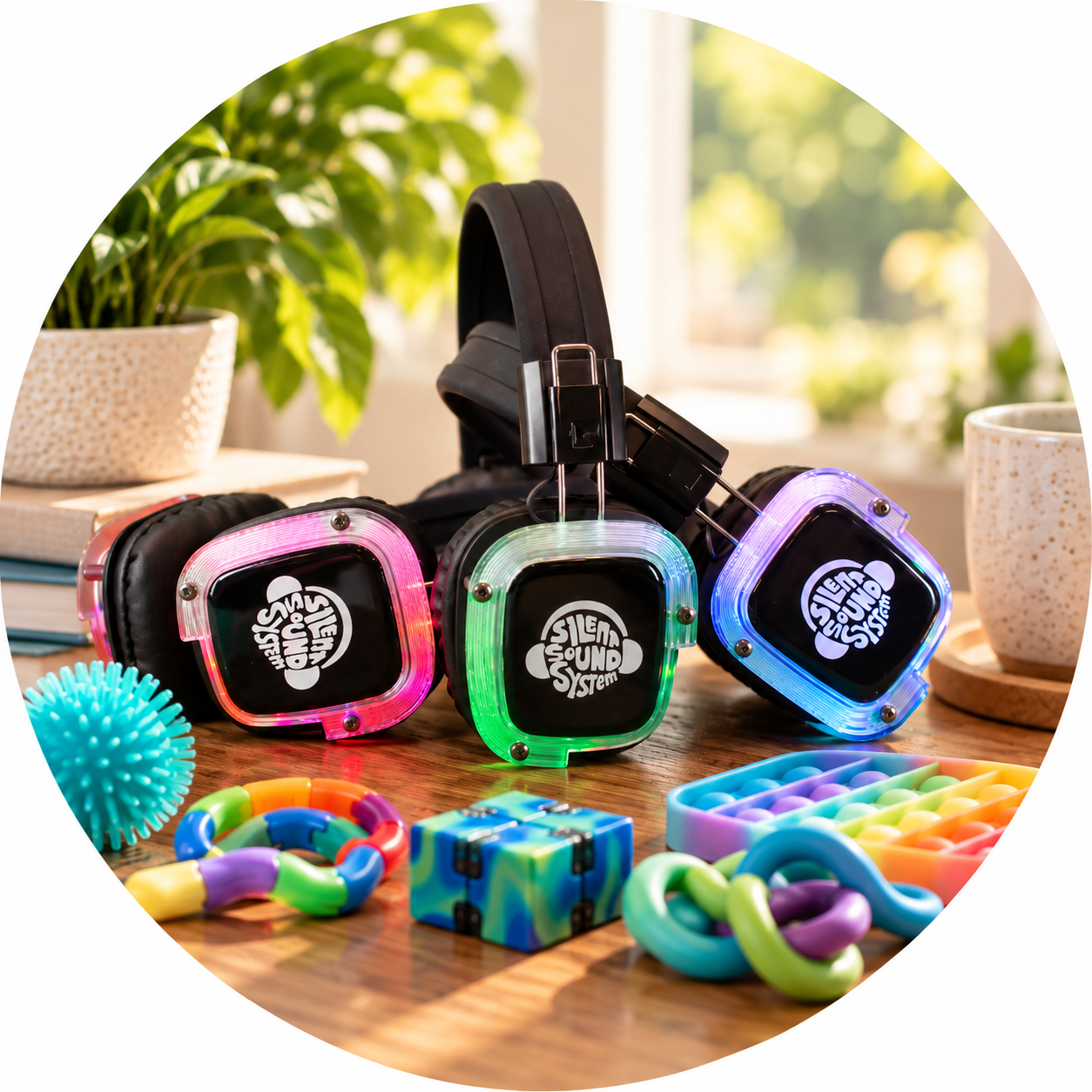
Sensory Accommodations
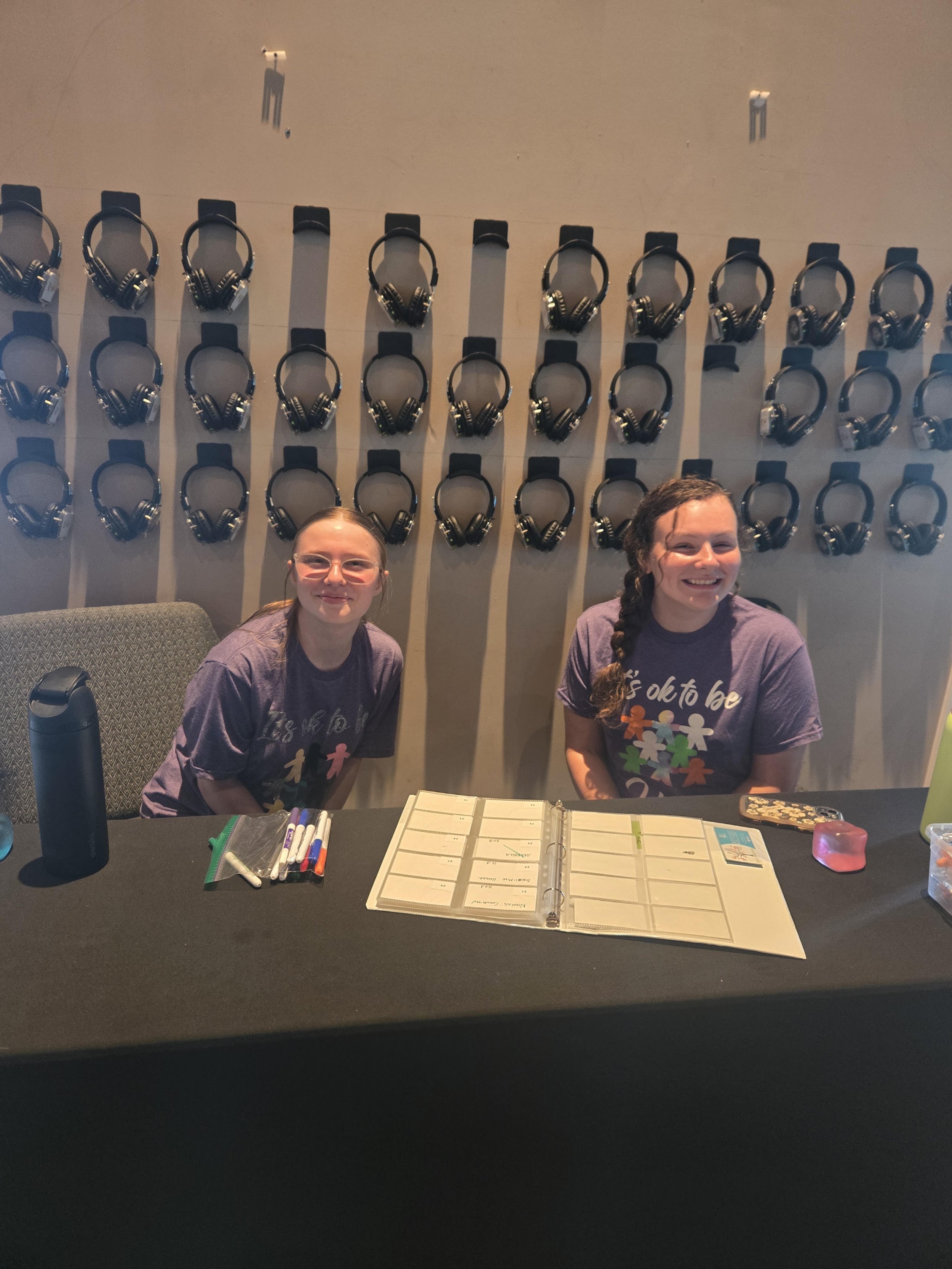
Worship experiences can be overwhelming due to loud music, crowded altars, and emotional expression. Sensory accommodations can help.
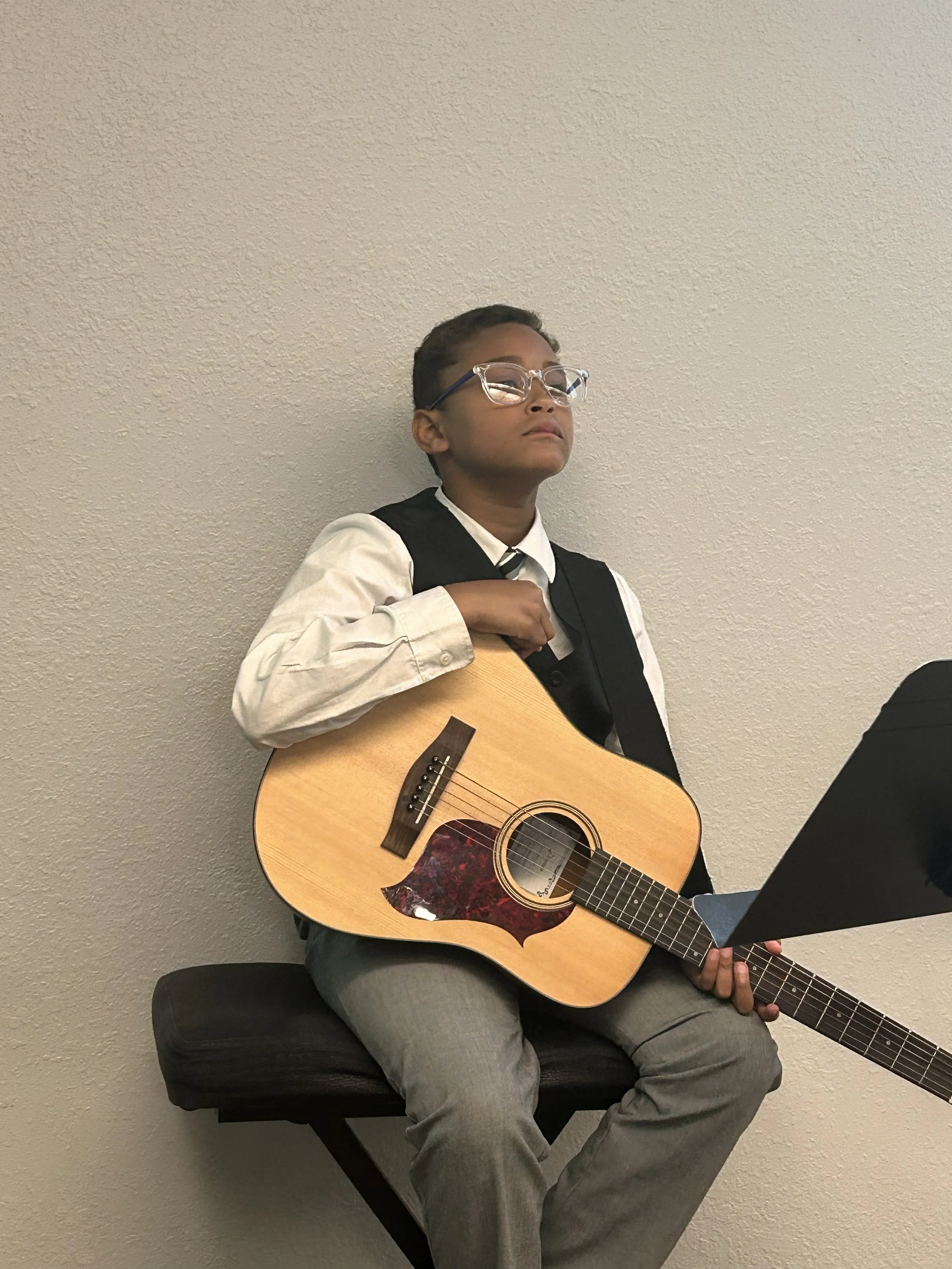
Who needs support?
Youth who…
-
Sitting through a service, lesson, or event can be challenging for some teens. Movement breaks, fidgets, visual supports, or alternative seating options may help them stay engaged.
-
Large groups, meeting new people, or participating in activities may feel intimidating. These youth often benefit from patient encouragement, structured opportunities for connection, and trusted relationships.
-
Some teens struggle to start conversations, join group discussions, understand social cues, or make new friends. They may want connection but need additional support navigating social situations.
-
Worship experiences can be overwhelming due to loud music, crowded altars, emotional expression, or unfamiliar expectations. Things that can help are sensory supports such as noise-reducing headphones, earplugs, sensory rooms, or quiet spaces where you can take a break and return when they are ready. These supportive accommodations can help youth engage in ways that are meaningful and comfortable for them.
-
Many people experience challenges with reading due to dyslexia, visual processing differences, or other learning disabilities. Accessible options may include dyslexia-friendly Bibles, large-print Bibles, audio Bibles, Bible apps with read-aloud features, video-based Bible lessons, and other formats designed to support different learning styles.
-
Unexpected schedule changes, altered routines, or last-minute announcements can create stress and anxiety. Predictability, visual schedules, and advance communication often help.
-
Some youth may have disabilities, medical conditions, learning differences, ADHD, autism, anxiety, or other support needs that make church participation more difficult. With the right accommodations, they can thrive and fully belong.
Clear expectations, visual supports, peer buddies, and individualized planning can help make youth group more accessible and meaningful. Some churches partner youth with a peer or a team of people will rotate and assist when someone needs support. In some cases, having a Spiritual IEP so everyone in the room knows how to help can be the best option.